
Story 1: Your Son, Age 10 – The Summer That Changed Everything
This is part of the Five Generations series, following one British family through the climate emergency from 2035 to 2100. Each story shows two possible futures: what happens if we fail to act, and what becomes possible when we choose climate action. These are not predictions; they are possibilities. The future is not written yet
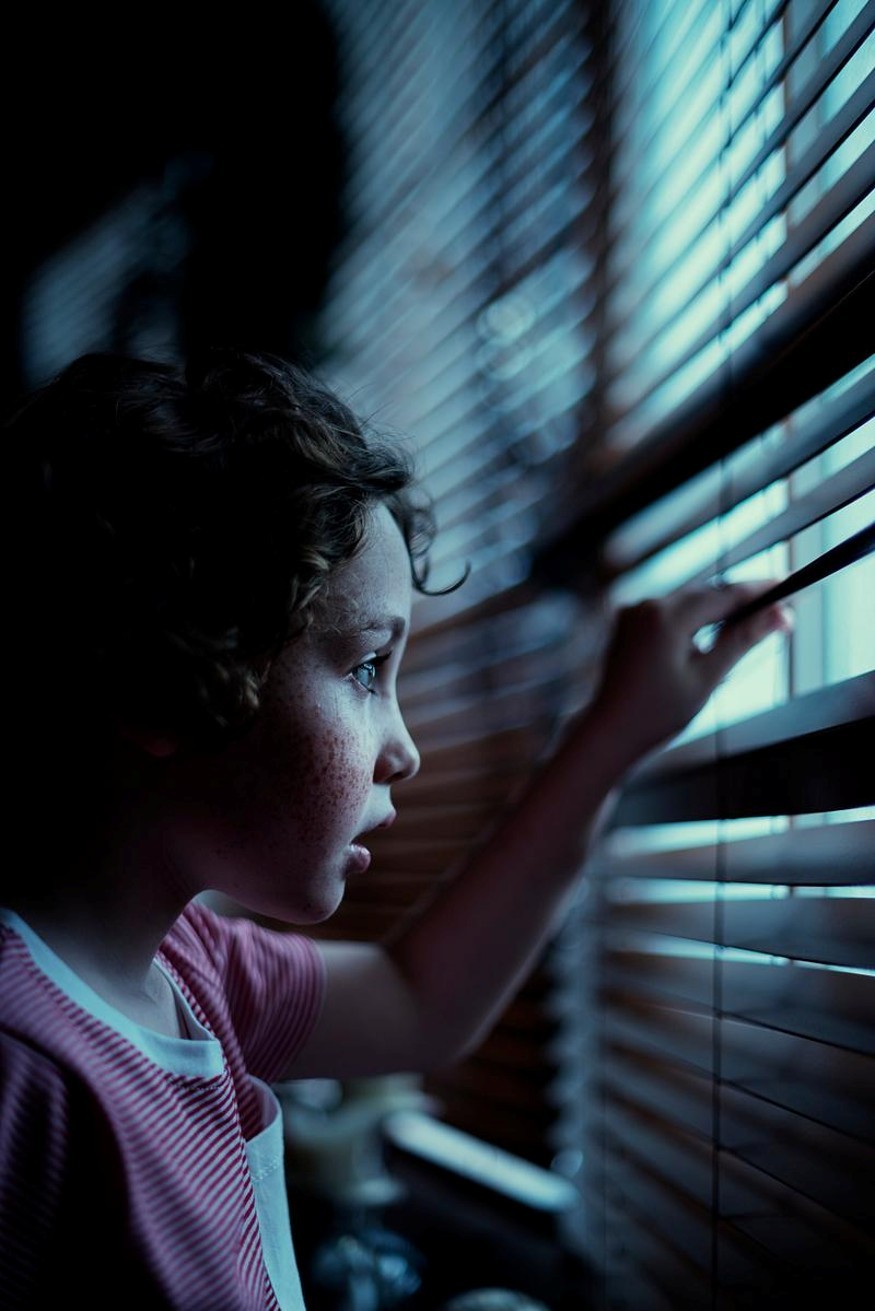
It is July 2035. Your son, just turned ten, sits by the window of your West Midlands home during what the Met Office now calls a standard summer event, but what feels anything but standard.
The temperature has held above 38°C for four consecutive days.
This is not a heatwave anymore. This is the new summer, and it is killing people. His school closed on Tuesday. The building, constructed in the 1970s with large south-facing windows and no mechanical cooling, became hazardous by mid-morning, as it was never designed for a climate 2.5°C warmer than when the building was constructed.
His teacher, exhausted and frightened, makes the call again. Parents scramble to leave work, again, to collect children who cannot safely remain in school.
The head teacher sent children home after the staff room thermometer read 34°C, not because of a special event or emergency drill, but because the classroom had become unsafe.
This is the fourth time this summer. It is early July.
A Year 3 child collapsed during assembly. That child, seven years old, spent the night in the hospital. Your son knows her name. He sat next to her at lunch.
Your son is one of the lucky ones. He has no underlying respiratory or cardiac conditions. He has a home with parents who can take time off work.
However, he is listless, unable to concentrate, and struggles to sleep at night, even when the temperature in his bedroom barely drops below 26°C.
He cries from exhaustion. He asks you when it will stop.
You do not have an answer that will comfort him. This heat persists for another three weeks.
The Reality: Heatwave frequency and intensity. Research shows that by the 2030s, the UK will experience heatwaves similar to the deadly August 2003 event every other year.
Heat-related mortality projections indicate thousands of preventable deaths annually by this decade, with children, elderly people, and those with pre-existing conditions at the highest risk.
Sources: UK Parliamentary Environmental Audit Committee, Met Office UKCP18
Historical precedent: The August 2003 European heatwave killed approximately 2,139 people across the UK in just 10 days. The 2018 UK heatwaves were attributed to approximately 1,928 excess deaths. During July 2022, the UK recorded its first-ever 40°C temperature, with 2,803 excess deaths recorded during that summer’s heat events.
School infrastructure vulnerability: Research from University College London has demonstrated that UK school buildings, particularly those constructed in the 1960s and 1970s with large glazed areas and limited ventilation, are particularly susceptible to overheating. Studies show that indoor temperatures in classrooms can exceed 35°C during heatwaves, significantly impairing cognitive function and creating health risks for children and staff.
Children’s vulnerability: The UK Health Security Agency identifies children as one of the groups most vulnerable to heat-related illness due to their higher metabolic rate, limited ability to thermoregulate, and dependence on adults for environmental control. Children with asthma are at particular risk, as high temperatures often coincide with poor air quality events that can trigger respiratory
episodes
Projected mortality increases: Peer-reviewed research published in PLOS Climate projects heat-related mortality in England and Wales could reach 10,317 deaths annually by the 2050s under high emissions scenarios, rising to 34,027 deaths annually by the 2070s. Even under optimistic low-emissions pathways with significant adaptation, deaths are projected to reach 4,592 annually by the 2070s.

But your son is also learning something else. He is learning that summer now means danger. That playing outside in July is forbidden. His asthmatic friend down the road spent two nights in the hospital because the air quality deteriorated during the heat. He is learning to be afraid of the weather.
He is ten years old, and he is learning that the adults who came before him knew this would happen.
They had the science, the warnings, and the solutions.
That they chose differently.
He does not understand why yet. But he will. And when he does, that knowledge will be another burden he carries, alongside the fear and the heat and the loss of the childhood summers you remember.
Under high-emissions scenarios (RCP 8.5), summer temperatures in the UK increase by 2-3°C by 2035-2050.
Schools without cooling systems regularly exceed safe temperature thresholds.
Air pollution from continued fossil fuel use contributes to approximately 28,000 deaths annually in the UK.
These heatwaves will kill thousands if we fail to act.
This is Story 1 of the Five Generations series, following one British family through the climate emergency from 2035 to 2100. Each story shows two possible futures: what happens if we fail to act, and what becomes possible when we choose climate action. These are not predictions; they are possibilities. The future is not written yet. Next story: 2035: Your Son, Age 10 – What Climate Action Delivers for your Children.