
Story 6: 2058: The Summer of Abundance
What Climate Action Delivers for Food Security
This is Story 3 of 5 of the Hopeful Alternatives, a part of the 5 Generations series. I showed you what climate failure looks like for vulnerable people in the United Kingdom. Now I am showing you what climate success delivers. Same five people. Same five generations. Different choices. Based on UK Net Zero pathways and Climate Change Committee scenarios, this is what happens when we act with the courage and urgency this crisis demands.
2058: Your granddaughter, thirty-five
Your granddaughter, now thirty-five, lives in what has become known as the regenerative heartland of England. East Anglia in 2058 is experiencing warm, dry summers, but they are nothing like the devastating droughts that might have been.
She wakes early, as she always does in summer, to the sound of birdsong that has become noticeably louder over the past decade. The dawn chorus is richer now, fuller, a consequence of the hedgerow restoration and the wildflower margins that stripe the landscape. She makes tea and stands at the kitchen window, watching the mist lift from the fields that stretch to the horizon.
The fields look different than they did when she was a child. The monocultures her grandparents knew are rare now. Instead, she sees a patchwork: wheat and clover growing together, orchards underplanted with vegetables, strips of native woodland breaking up the arable land. The soil beneath these fields is darker than it used to be, richer, alive with organisms that her grandfather’s generation nearly destroyed and her generation has worked to restore.
Water management has been transformed. The National Water Infrastructure Programme, completed in 2045, created interconnected regional systems that move water from wet to dry areas efficiently.
Rainwater harvesting is standard in all buildings. Agricultural practices shifted to regenerative methods that improve soil water retention. Your granddaughter’s water bill is lower than yours ever was, despite increased efficiency investments, because the system works.
She drives her electric van to the farm where she has worked for fifteen years, past the reservoir that was built when she was a teenager. The reservoir is part of a network that stores winter rain for summer irrigation, topped up by the water recycling plant that turns treated wastewater into an agricultural supply. No water is wasted anymore. No aquifer is depleted beyond recovery.
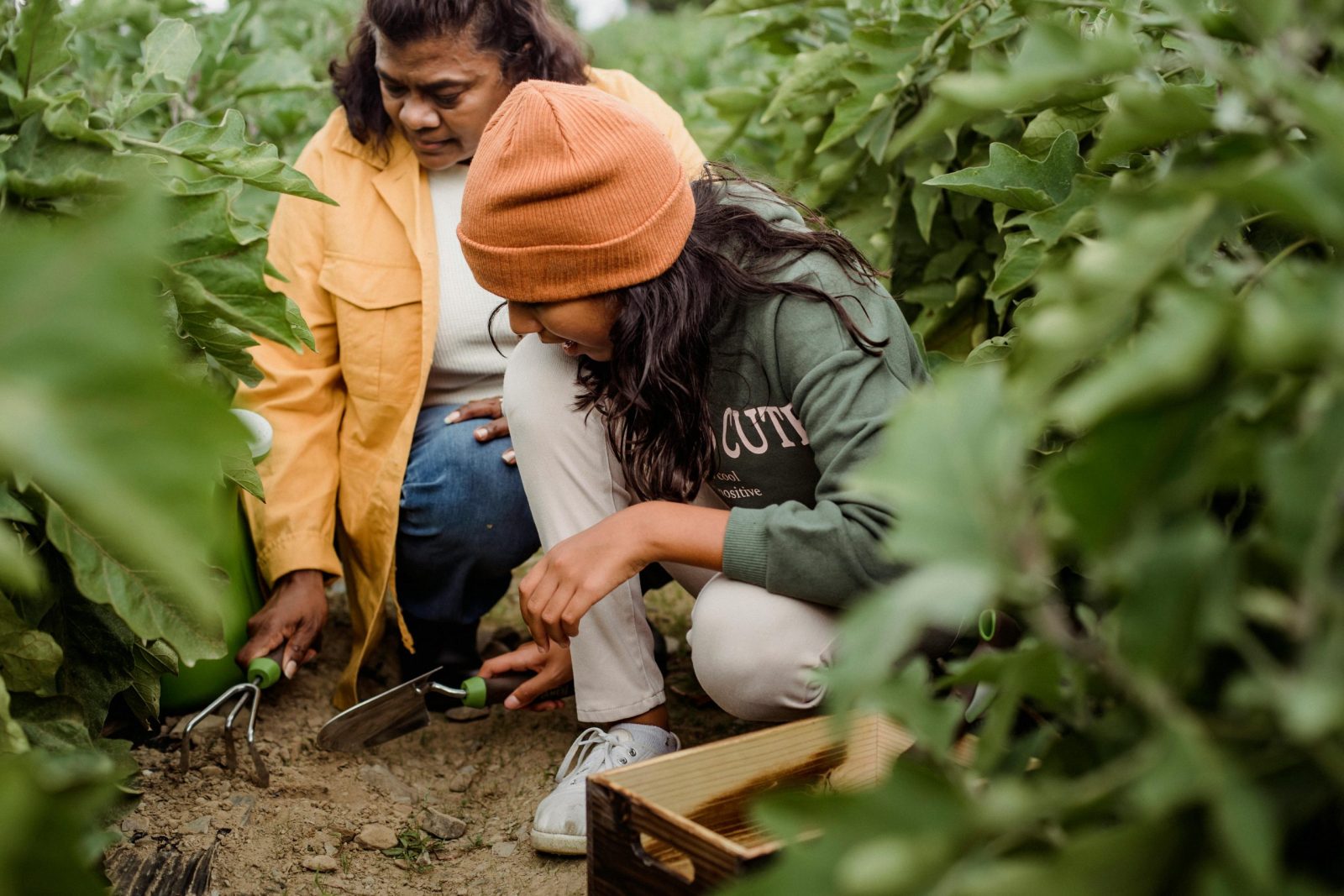
The farm itself has changed almost beyond recognition from the industrial operations of the early 21st century. The owner, Maya, pioneered regenerative methods in this region when most farmers thought she was mad.
Now, other farmers come from across the country to learn from her. The soil on Maya’s land holds twice the water it held thirty years ago. The crops are more resilient to heat and drought. The yields are not as high as the chemical-intensive peak, but they are consistent, sustainable, and the food they produce commands premium prices.
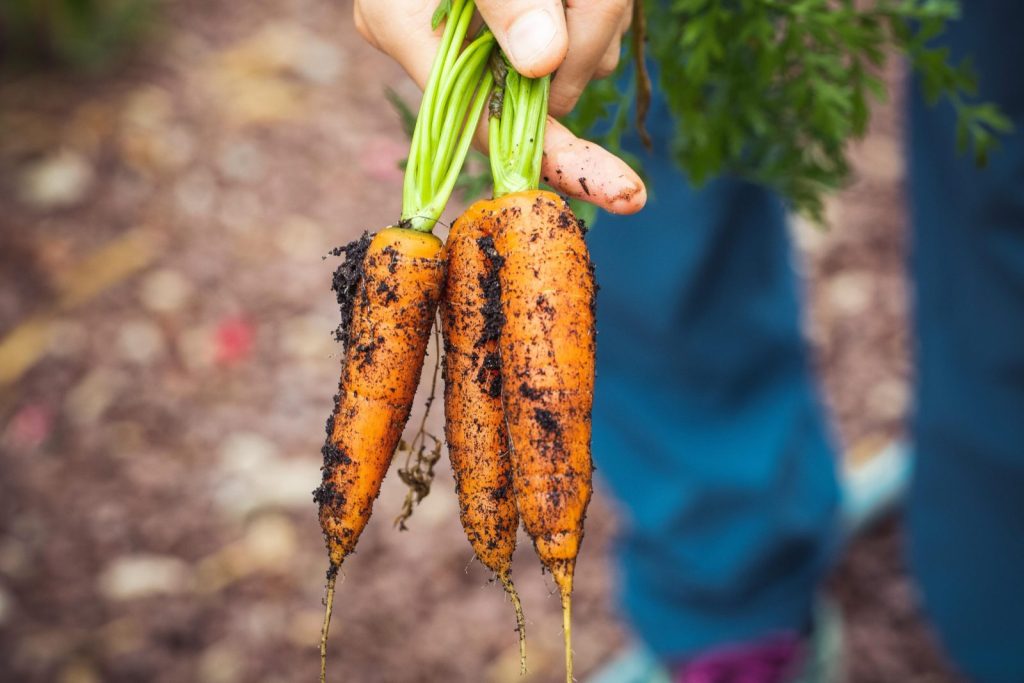
Her young daughter has never known water rationing, because the crisis was anticipated and prevented. The child plays in abundant community gardens where drought-resistant crops and native plants create productive, biodiverse spaces. She learns about food at school through direct experience in educational growing programmes.
Your granddaughter works for a regional food cooperative that connects local producers with urban consumers. The transformation of food systems over the past 30 years means British agriculture is more productive, more sustainable, and more resilient. The 20% reduction in red meat consumption (now 35% below 2020 levels) has freed up land for mixed regenerative farming, rewilding, and carbon sequestration. Flood risks to agricultural land have been reduced through upstream natural flood management.
At the weekly farmers’ market, she helps set up the stall. The produce is extraordinary: tomatoes that actually taste of tomato, heritage apples in a dozen varieties, and vegetables she had never heard of as a child that are now staples. The customers know where their food comes from, often know the farmers by name, and understand the seasons in a way that supermarket shopping has erased.
The Reality:
Under net zero pathways, agricultural drought increases modestly (approximately 15-25% rather than 74%) due to limited warming and proactive water infrastructure investment.
The shift to regenerative agriculture, supported by the reformed subsidy system, improves soil carbon content and water retention. Health benefits are substantial: over 400,000 cumulative life years gained by 2050 from dietary shifts toward plant-based foods.
Heat-related mortality, while higher than historical levels, is managed at approximately 3,000-4,000 deaths annually rather than 10,000+, through a combination of limited warming, adapted buildings, and Early Warning Systems.
Sources: Climate Change Committee Widespread Engagement Pathway, Lancet health co-benefits study, UK Net Zero Society scenarios
She remembers her mother telling her about the coastal home that was relocated with dignity. She remembers her grandfather talking about the transformation of the 2020s and 2030s as a period of courageous choice. Now, temperatures do reach 35°C on the hottest days, but urban cooling strategies mean vulnerable people are protected. The NHS invested in climate-resilient infrastructure in the 2030s and 2040s. Hospital cooling systems work. Community cooling centres are within walking distance of every high-risk area.
Her daughter is seven now, the same age your son was in the first story of this series. She runs through the farm’s wildflower meadow, chasing butterflies that have returned after decades of absence. She knows the names of the crops and the wildlife. She knows that the food on her plate came from this soil, grew under this sun, was harvested by people she knows.
At lunch, they sit under the shade of a walnut tree that Maya planted when the farm transitioned. The tree is twenty-five years old now, productive and beautiful, one of thousands that farmers planted in those hopeful years. The nuts will be harvested in autumn, pressed for oil, sold at the markets where your granddaughter works.
The conversation turns to the old days, as conversations often do when farmers gather. One of the older workers remembers the panic of 2028, when the heat wave and drought combined to devastate farms that had not yet transitioned. He remembers the government intervention that followed, the emergency support for farmers willing to change, the crash programme that converted millions of acres.
“We nearly lost everything that year,” he says. “But we turned it around. Not perfectly. Not easily. But we turned it around.”
Your granddaughter thinks about her own daughter, running in the meadow, and feels a surge of gratitude so strong it brings tears to her eyes. Gratitude for the foresight that prevented catastrophe. Gratitude for systems that work. Grateful that her daughter inherits abundance and resilience rather than scarcity and crisis.
She knows what it means to live in a time when summer brings warmth but not terror. When water flows because infrastructure was built with future generations in mind. When the future feels open because it was protected.
That evening, back home, she and her daughter water the garden together. The tomatoes are ripening, the beans are climbing, and the sunflowers are taller than the house. They pick what is ready and carry it inside for dinner.
“Where does food come from?” she asks her daughter, the question they have practised.
“From the soil,” her daughter says. “From the sun. From the water. From the farmers who take care of it.”
And she thinks: yes. And from the people who decided, decades ago, that this abundance was worth protecting.
THE CHOICE
Last week, I showed you the same granddaughter in 2058 under climate failure: explaining to her seven-year-old why the fields are brown, why water is rationed, why elderly neighbours keep dying in the heat, exhausted from the constant anxiety.
This week, she is working in abundant food systems, her daughter playing in productive gardens, grateful for the foresight that prevented catastrophe.
The difference? Water infrastructure investment and agricultural transformation implemented in the 2020s-2040s.
Both futures are possible. The question is which one we build.
Next Week: Your Great Granddaughter: 2075, The City That Could Not Cope